Hyper-Realistic 3D Isometric Ottoman Masterpiece
Create a hyper-realistic 3D isometric scene of ${name:Fatih Sultan Mehmet}’s ${event:conquest of Constantinople}, visualized through an endless Ottoman parchment scroll. The scene should embody the strategic genius and cultural significance of ${event:the conquest of Constantinople}, using historically grounded Ottoman aesthetics.
Fill in the blanks
Your answers go straight into the prompt below. Leave a field empty to keep it as a placeholder.
Generate a hyper-realistic 3D isometric masterpiece, set against a magnificent, endless traditional ink-wash Ottoman historical parchment scroll unfurling across the background.

The scene captures the legacy, strategic genius, and world-changing impact of Fatih Sultan Mehmet during the Conquest of Constantinople (1453), visualized through symbolic imagery, military motion, and spiritual determination, emerging directly from the parchment itself.

Parchment Annotations (Content-Adaptive – Ottoman History)

The parchment is filled with Ottoman-style handwritten calligraphy, ink sketches, miniature-style illustrations, strategic diagrams, and architectural motifs that dynamically adapt to Fatih Sultan Mehmet and the Conquest of Constantinople (1453).

• Identity & Legacy Notes

Bold Ottoman calligraphy spells Fatih Sultan Mehmet, accompanied by manuscript annotations explaining his identity and his defining achievement, describing how the Conquest of Constantinople (1453) reshaped Ottoman and world history.

• Time & Origin Notes

Flowing ink-drawn timeline arrows mark the reign period and historical context, with strong emphasis on 1453, connecting regions such as Edirne → Constantinople, symbolizing a decisive historical transition.

• Strategic & Military Innovation Notes

Parchment diagrams adapt to the event and may include:

Large-scale Ottoman cannons

Siege or campaign maps

Fortress layouts, naval routes, or reform schemas

Tactical arrows and motion lines illustrating execution of the Conquest of Constantinople

All elements are annotated with handwritten strategic explanations.

• Symbols, Attire & Instruments Notes

Ink sketches with labels dynamically adapt and may include:

Ottoman imperial armor and ceremonial attire

Swords, banners, or tools relevant to Event

Architectural silhouettes (cities, mosques, fortresses, institutions)

Imperial tuğra motifs and wax seals

• Cultural & Civilizational Significance Notes

Manuscript-style reflections describe Event as:

A major turning point in Ottoman history

A transformation of political, cultural, or civilizational order

A symbol of leadership, vision, and statecraft

A lasting contribution to world heritage

Composition

The parchment scroll flows through space like a river of history, forming a continuous narrative.

At the center, Fatih Sultan Mehmet breaks free from the parchment at the climactic moment of the Conquest of Constantinople, symbolizing achievement, authority, and historical destiny.

2D → 3D Transformation

Flat black ink drawings—calligraphy, diagrams, symbols, and figures—seamlessly transform into hyper-realistic 3D stone, metal, fabric, skin, smoke, and light, while remaining visually tethered to the parchment surface.

Visual Effects & Details

Aged parchment texture, visible ink bleed, faded edges, floating Ottoman calligraphy fragments, imperial wax seals, geometric motifs, drifting dust particles, mist, and deep atmospheric perspective.

Lighting

Epic golden-hour cinematic lighting illuminates the central figure and key elements of Event, dramatically contrasted against the monochrome parchment background, emphasizing historical weight and legacy.

Technical Specs

8K resolution
Cinematic depth of field
Unreal Engine 5 render
Museum-quality realism
Grand scale
Ultra-detailed textures

--ar 16:9
--stylize 350
--no flat, simple, cartoon, borders, frame, modern buildingsMore in Art & Illustration
See allAmerican Comic
Your story as a blockbuster comic page.
Create Infographics
Hand-illustrated educational infographics.
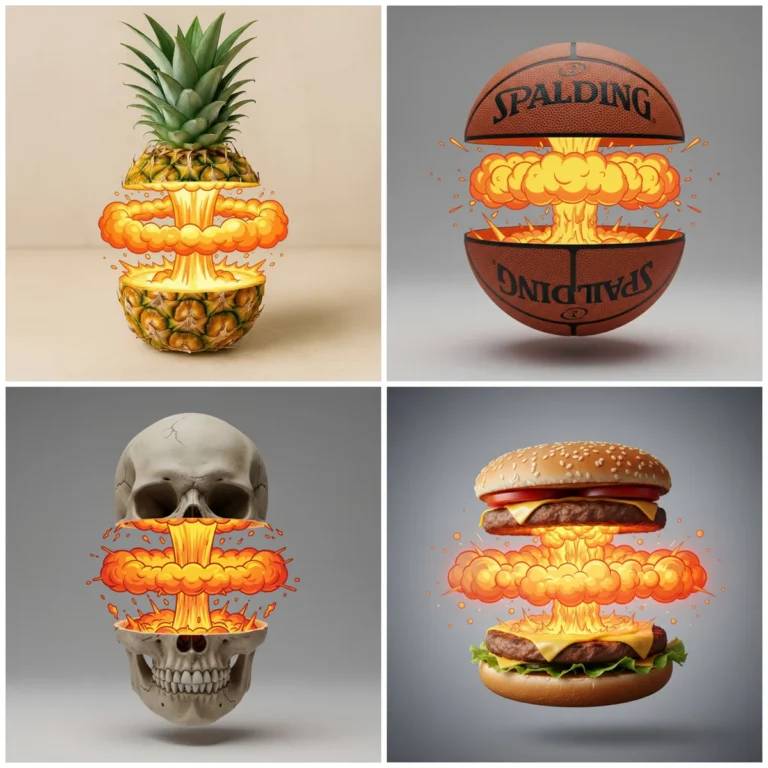
Slice Object with Cartoon Explosion Effect
cut cleanly THE [OBJECT] in half across the middle, the top and bottom halves slightly separated and floating apart. Between the halves, instead of the natural inside, t…

Fisheye Peephole Illustration
Input: A reference image must be uploaded.
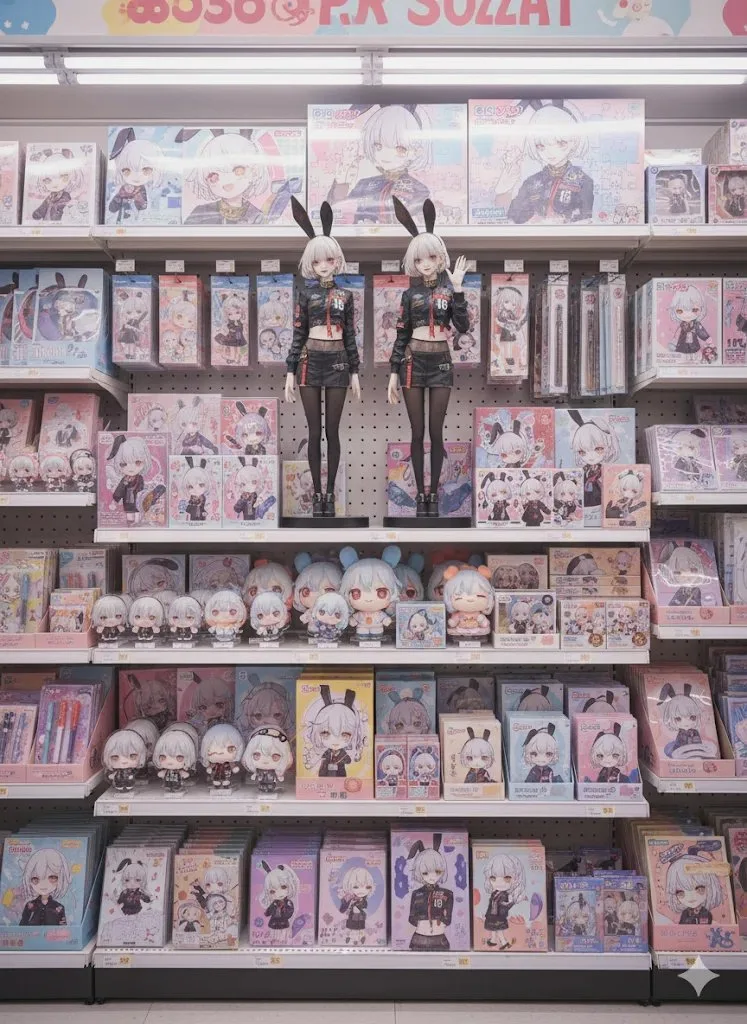
Merchandise Display Shelf
Input: A reference image must be uploaded.
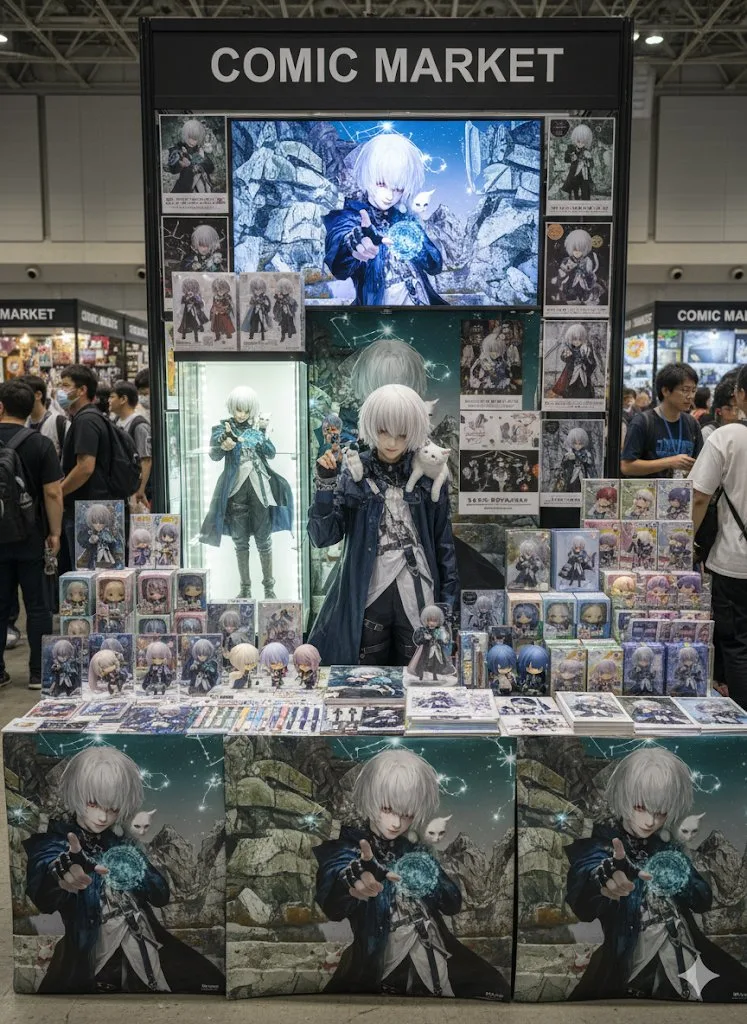
Comic Convention Booth
Input: A reference image must be uploaded.